Emerita Coronel Delgado is a coffee producer in the small town of Paric, where she has dedicated the last twelve years to the craft. Working side-by-side with her children among the coffee trees, she leads a daily journey of shared effort and learning. For Emerita, coffee has become the cornerstone of her household’s sustenance and a vital activity that strengthens her family bonds on her farm, Las Piedras, located in the district of Querocoto.
Querocoto is a remote and singular district in Cajamarca’s Chota province. Reaching the region involves flying into Chiclayo, followed by a five-hour drive on paved roads to the town center. While it sits near the famous coffee province of Jaén, Querocoto possesses a distinct climate and culture. Historically, the area was centered on cattle ranching, supported by vast pasture lands and a cold climate influenced by an average altitude of 2,300 meters above sea level.
The district's transition to coffee production began in the 1990s as locals migrated seasonally to Jaén and San Ignacio to work as harvesters. By the early 2000s, they returned to Chota with seeds to test if coffee could survive the unique soil and high-altitude climate. The experiment was a resounding success; coffee adapted perfectly, sparking a rapid expansion of the crop across the region.
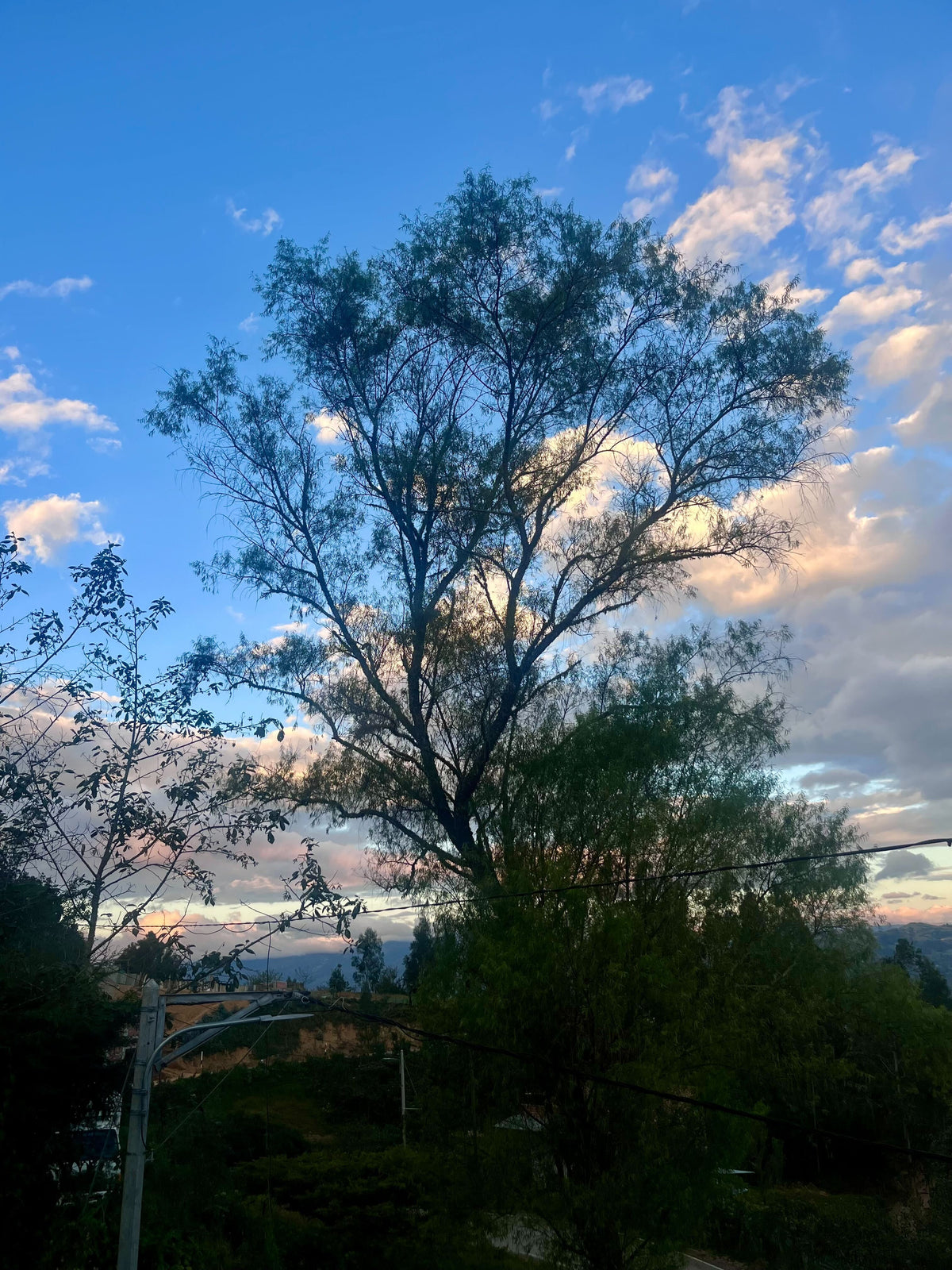
A defining feature of Querocoto’s agriculture is the deep respect for native flora, particularly the integration of the quina tree for shade. The quina is the most iconic tree in Peru, appearing on the National Coat of Arms for its historical role in providing quinine—the first effective treatment for malaria. While logging and the introduction of foreign species like eucalyptus pushed the quina toward extinction in other parts of the country, it continues to thrive in Querocoto. Here, it exists in synergy with coffee plants, providing essential shade and organic matter.
Logistics in the region are efficient, with most farms located within three hours of a collection center. Dirt roads allow for transport via communal trucks, while the most rugged areas still utilize mules to move parchment coffee. Coordination is managed through a blend of modern and traditional communication; while 70% of the district has cell service, those in signal dead zones receive pickup schedules via radio messages or word of mouth from neighbors.
Despite coffee being a relatively new endeavor in Chota, producers possess a sophisticated understanding of harvesting and processing. They do not hire external labor, instead practicing Ayni, the ancestral Inca tradition of mutual aid between families and friends. However, the region faces the challenge of youth migration to cities for education, as there are no local universities.
Red Fox sees Querocoto as one of Peru’s most promising emerging origins, where incredible quality meets deep historical significance. By offering competitive prices and establishing stable partnerships, we aim to provide the economic stability necessary to encourage the next generation of farmers, like the children of Emerita, to stay and continue the craft. We are dedicated to supporting these producers, preserving this rare ecosystem, and bringing the singular coffee of Las Piedras to the global specialty market.